
Understanding Negative Space in Home Design
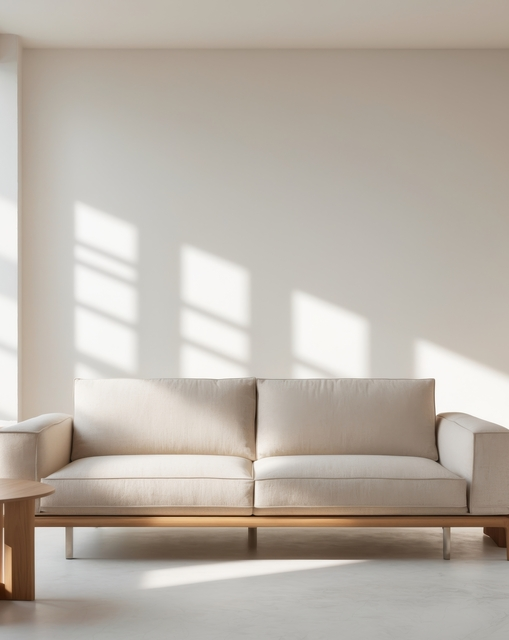
In real estate and interior design, negative space refers to the area around and between furniture, decor, and architectural features. It’s not just “empty space”—it’s deliberate breathing room that highlights the home’s best elements. Think of it as the pause between musical notes: without it, a room can feel cluttered and chaotic.
Negative space gives potential buyers’ eyes a place to rest, creating balance, emphasizing key features, and making rooms feel larger and more inviting. Homes with thoughtfully designed negative space often feel more luxurious, open, and move-in ready—a critical advantage when showing or selling a property.
Why Negative Space Matters in Real Estate
- Enhances visual appeal: Cluttered rooms distract buyers. Negative space lets your best furniture, lighting, and architectural details shine.
- Creates a sense of spaciousness: Even smaller homes feel bigger when negative space is used strategically.
- Improves flow and functionality: Buyers naturally navigate rooms more easily in open, uncluttered layouts.
- Supports a calm, inviting atmosphere: Homes that feel organized and airy make stronger emotional connections with visitors, helping them imagine themselves living there.
Tips for Using Negative Space When Staging a Home
- Start with subtraction: Remove excess furniture or decor to allow key pieces to stand out.
- Give furniture room to breathe: Avoid pushing pieces against walls; leaving open space around them emphasizes their presence.
- Use blank walls strategically: Not every wall needs art or shelves—empty walls can highlight focal points.
- Create focal points with contrast: A single statement chair, artwork, or light fixture pops when surrounded by negative space.
- Think function first: Spaces should feel purposeful—buyers notice rooms that feel uncluttered and easy to use.
Applying Negative Space Room by Room
Living Room: Float seating away from walls, leave space around tables, and choose a single statement artwork over a gallery wall.
Bedroom: Keep bedside tables minimal, leave room around the bed, and use a single dramatic headboard to anchor the space.
Kitchen & Dining: Clear countertops of appliances, allow at least 36 inches around the dining table, and use a standout light fixture for emphasis.
Bathroom: Minimize vanity items, leave space around mirrors, and give freestanding tubs room to breathe.
10 Practical Ways to Maximize Negative Space
- Declutter beyond the obvious—less is more.
- Choose furniture with legs for visual lightness.
- Focus on one statement piece rather than many small items.
- Maintain clear pathways through every room.
- Use mirrors to reflect light and enhance spaciousness.
- Leave some walls completely bare for visual relief.
- Limit surface clutter to essential, high-impact items.
- Opt for lower-profile furniture to make ceilings feel higher.
- Display objects in odd-numbered groups with generous spacing.
- Install built-in storage to free up floor space and maintain openness.
The Psychological Benefits for Buyers
Homes with well-executed negative space not only look better—they feel better. Open, uncluttered environments reduce stress, encourage focus, and create a sense of calm. Potential buyers are more likely to linger, imagine living in the home, and connect emotionally with the space.
Common Staging Mistakes
- Confusing empty with incomplete: Negative space should feel intentional. Bare or neglected areas can appear unfinished.
- Overcrowding rooms: Too many decorative items, furniture pieces, or wall hangings diminish the impact of the space.
In short: Negative space isn’t just a design principle—it’s a selling tool. Thoughtfully staged homes with breathing room feel larger, more luxurious, and more inviting, helping buyers visualize themselves living there and ultimately enhancing property value.


